Comparison of Digital News Media: The Wire, Newslaundry, and The Print
Based on Brevity, Adaptability, Scalability, Interactivity, and Communication
Digital news platforms have different approaches to content creation and audience engagement. Below is a detailed comparison of The Wire, Newslaundry, and The Print based on the following five factors:
1. Brevity
(How concisely they present news without losing depth and clarity)
-
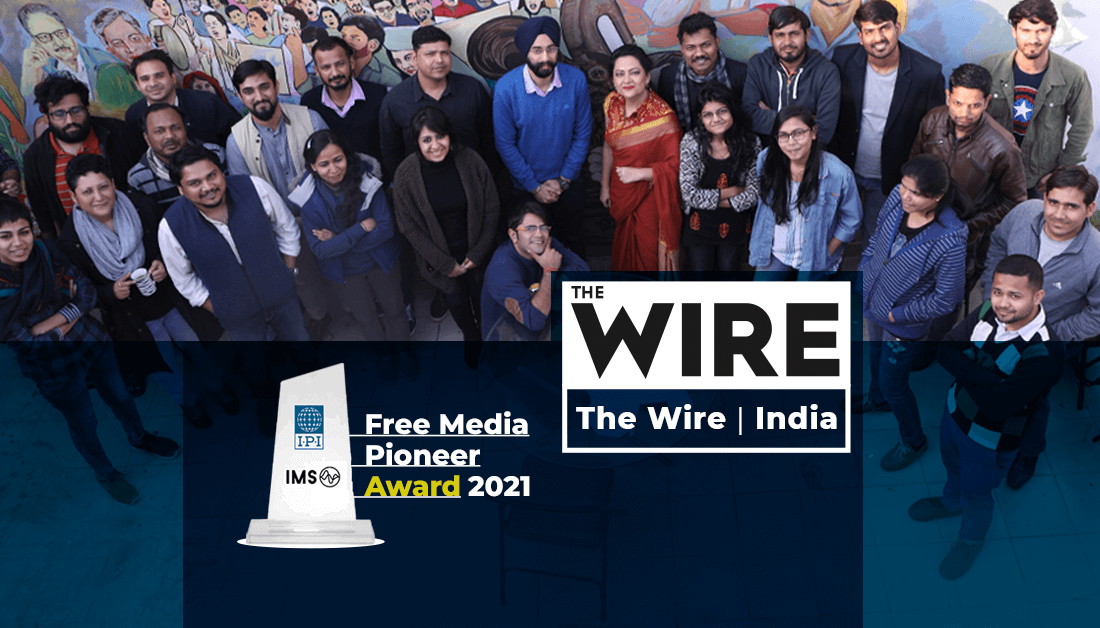
The Wire:
- Focuses on in-depth, long-form journalism.
- Articles tend to be analytical and opinion-driven rather than quick summaries.
- Video content (like The Wire’s YouTube channel) often includes long discussions rather than brief news reports.
- https://youtu.be/JCBAXc0ICw0?si=zbT7RtMyFO6Y8Qco
-
Newslaundry:

- Offers a mix of long-form and short-form content.
- Its satire and explainer videos provide concise yet informative takes on news.
- Podcast format often allows for nuanced discussions, though not necessarily brief.
- https://youtu.be/ezQQ-vDFhdg?si=LLWJnJ79_qnEt3RA
-
The Print:

- Balances long reports with quick news summaries, especially on its website.
- YouTube series like “Cut the Clutter” by Shekhar Gupta provides digestible news insights.
- Strong use of concise infographics and bullet-point formats in text-based content.
- https://youtu.be/JFIUfCVNK6g?si=5CTXUTEss3heY1xc
Best in Brevity: The Print (more structured concise formats while maintaining analysis).
2. Adaptability
(How well they adjust to new trends, audience demands, and technology changes)
-
The Wire:
- Primarily text-driven but has expanded to video and podcast formats.
- Less experimentation with new social media trends like short-form video content.
-
Newslaundry:
- Adapts well by integrating podcasts, satire, and detailed ground reports.
- Strong use of social media for audience engagement.
-

-
The Print:
- Highly adaptable, with multimedia content including podcasts, YouTube explainers, and social media snippets.
- Quick adoption of new content formats (e.g., WhatsApp briefings, TikTok-style clips).
- https://youtu.be/fHsI7r9mdR4
Best in Adaptability: The Print (quick to experiment with new formats and reach new audiences).
3. Scalability
(How well they expand operations and content without compromising quality)
-
The Wire:
- Limited scalability due to reliance on donations and independent funding.
- Growth in regional languages (e.g., The Wire Hindi, The Wire Urdu) shows expansion efforts.
- Less aggressive in expanding multimedia content.
- https://youtu.be/PrHKt0HjmjA?si=dIu5vX-ZOdZQa3Zo
- https://youtu.be/MyXSvAnGtBw?si=H7_qm9OCLpz_a_gH
-
Newslaundry:
- Subscription-based model limits rapid scalability but ensures quality control.
- Recently expanded its podcast and video offerings.
- Covers multiple formats (satire, investigative journalism, explainer content).
-
The Print:
- Strong scalability, leveraging investor funding and diversified revenue models.
- Broad multimedia presence and multilingual content help expand its reach.
Best in Scalability: The Print (more sustainable growth with diversified formats and funding).
4. Interactivity
(How they engage with audiences through comments, discussions, and participatory content)
-
The Wire:
- Limited direct interactivity with audiences (comment sections are moderated).
- Social media engagement is active but less interactive than peers.
-
Newslaundry:
- Strongest interactivity among the three.
- Subscription-driven model allows direct engagement with paying subscribers.
- Regular feedback sessions and interactive Q&A formats.
-
The Print:
- Moderately interactive, with an active comment section and audience polls.
- YouTube and social media allow viewer participation but less direct than Newslaundry.
Best in Interactivity: Newslaundry (direct subscriber engagement and participatory journalism).
5. Communication
(How effectively they communicate complex news to different audience segments)
-
The Wire:
- Appeals to an academic and policy-oriented audience.
- Less emphasis on simplifying content for mass audiences.
-
Newslaundry:
- Uses satire, humor, and explainers to make news more accessible.
- Podcasts and videos allow deeper storytelling.
-
The Print:
- Effective in breaking down complex issues with simple, direct explanations.
- Uses multimedia storytelling for better audience retention.
Best in Communication: The Print (clear, direct, and engaging news delivery).
Final Verdict: Which Platform Excels in What?
Overall Best Adapted for Digital Age: The Print
- Most effective in delivering concise, adaptable, scalable, and clear content.
- Strongest in multimedia and audience engagement but slightly behind Newslaundry in interactivity.
Most Engaged with Audience: Newslaundry
- Best for user participation and independent journalism with community involvement.
Best for In-Depth Analysis: The Wire
- Great for deep dives and investigative journalism but less adaptable to digital trends.
Each platform serves a distinct audience, making them valuable in different ways. The Print leads in digital adaptability, while Newslaundry shines in audience interaction, and The Wire remains a stronghold for long-form investigative journalism.

Comments
Post a Comment